The Private Training Protocol: Why Elite Fitness Must Belong to Your Life
The next standard in premium fitness is not a harder schedule. It is a private, adaptive training system designed around the client’s body, calendar, travel, objectives and need for continuity.
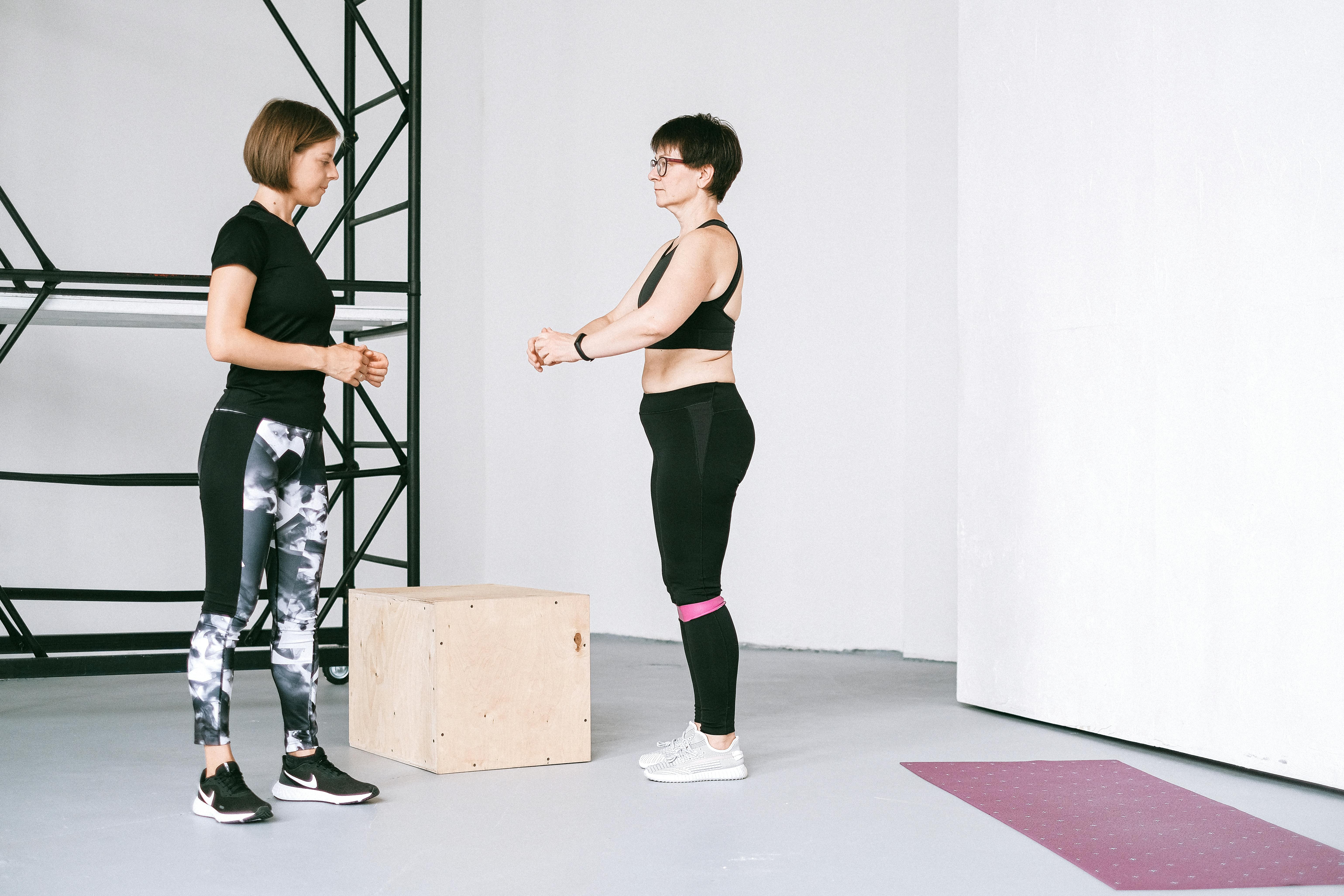
For many high-performing individuals, the difficulty is not finding another workout. It is creating a training system that remains intelligent when life becomes demanding. A full calendar, frequent travel, changing energy levels and competing professional responsibilities can make even a well-designed routine difficult to sustain.
That is why the most considered approach to personal fitness begins somewhere other than the gym floor. It begins with the client's real circumstances.
From scheduled sessions to a private performance system
Premium fitness providers increasingly frame coaching as a service built around assessment, design and ongoing execution rather than a sequence of isolated appointments. Miami Personal Training, for example, describes its model through three stages - "Assess", "Design" and "Execute" - and presents in-home, virtual and sports-specific training as tailored services rather than generic classes.
The distinction matters. A personal fitness programme should not ask the client to reorganise life around a fixed template. It should translate a client's priorities into a practical structure: what needs to improve, what must be protected, where training can take place, how recovery should be respected and how progress can be maintained when circumstances change.
| Conventional fitness routine | Private performance protocol |
|---|---|
| A fixed schedule applied repeatedly | A programme adapted to the client's calendar and context |
| Sessions measured mainly by intensity | Progress considered through movement, capacity, consistency and recovery |
| Training separated from travel and lifestyle | Training coordinated with residence, travel and daily demands |
| Advice delivered at the point of contact | Ongoing support that preserves continuity between sessions |
The first appointment should be a conversation
An effective programme starts with a disciplined understanding of the starting point. That means discussing the client's goals, previous training experience, current habits, movement considerations, preferred environment, travel pattern and any relevant advice from qualified healthcare professionals. The purpose is not to create unnecessary complexity. It is to ensure that the plan reflects the person who will actually follow it.
This assessment-led principle is also visible in the wider premium fitness market. Publicly available service descriptions from luxury in-home training providers emphasise tailored programmes for different objectives, including weight management, muscle development, sports-specific preparation and rehabilitation-oriented support. For a health concierge service, however, the essential value lies not in listing every possible outcome.
It lies in determining which outcome is relevant to this client, at this moment, and under which conditions it can be pursued responsibly.
Where injury, illness, pain or rehabilitation is involved, personal training should complement - not replace - appropriate clinical assessment and care. A private coach can coordinate with the client's approved medical or rehabilitation professionals, but should not present exercise programming as a diagnosis or substitute for medical treatment.
Design for the life the client is living
A bespoke programme becomes genuinely useful when it is designed for real settings. The client may train at home, in a private club, at a hotel or in another suitable location. The available equipment may change. A business trip may compress the week. A competition, board meeting or family commitment may alter the ideal training load.
The answer is not to abandon structure. It is to build structure with enough intelligence to adapt. One week may prioritise strength and movement quality; another may place greater emphasis on mobility, technical repetition or lower-load conditioning. The programme remains coherent because its priorities are stable even when its expression changes.
This is where the concierge model offers a meaningful difference. Optimo Lifestyle presents premium coaching as part of a broader health, travel and lifestyle experience, with programmes shaped around professional oversight, recovery and the client's wider objectives. Its approach reflects an important principle: fitness is more likely to become sustainable when it is integrated into the conditions of daily life rather than treated as a separate obligation.
Continuity is the quiet advantage
The highest level of personal coaching is not always the most visible. It is found in the details that prevent a programme from losing momentum: remembering the client's response to a particular training block, adjusting around travel, keeping a clear record of objectives, recognising when progression is appropriate and knowing when restraint is the more intelligent decision.
A consistent coaching relationship also improves the quality of communication. The client does not need to repeatedly explain the same priorities, constraints or preferences. Each session becomes part of a longer narrative rather than a new beginning.
For VERTU, this continuity is central to the idea of a health and medical concierge solution. Customized Personal Fitness Programs are positioned for clients seeking optimal physical fitness and progress toward their health goals through an expert, discreet and adaptable framework. The service is not defined by volume or spectacle. It is defined by the quality of attention applied to the individual.
Progress should be precise, not performative
Elite fitness is often mistaken for visible intensity. In practice, a more sophisticated standard asks different questions. Is the client moving with greater control? Is strength developing in a way that supports the intended activity? Is endurance improving without compromising recovery? Can the programme be maintained through a demanding month rather than only an ideal week?
These questions shift the focus from performance as display to performance as capability. They also make the service more personal. A programme for a competitive player, a travelling executive and a client returning to exercise after a long interruption should not look identical, even if all three value strength, energy and long-term health.
The VERTU standard
A private fitness programme should feel considered from the first conversation to the final review. It should begin with context, proceed through clear design, remain responsive during execution and retain enough continuity to support the client's changing life.
That is the standard behind VERTU's Elite Performance Coach approach: not fitness for its own sake, but a carefully managed route toward the client's chosen health and performance objectives. The most valuable programme is rarely the one that demands the most. It is the one that understands the person, respects the conditions and makes meaningful progress easier to sustain.
This editorial describes a concierge fitness service and is not a substitute for diagnosis, medical treatment or advice from a qualified clinician. Clients with injury, illness, pain or rehabilitation needs should obtain appropriate professional assessment before beginning or changing an exercise programme.